Intent
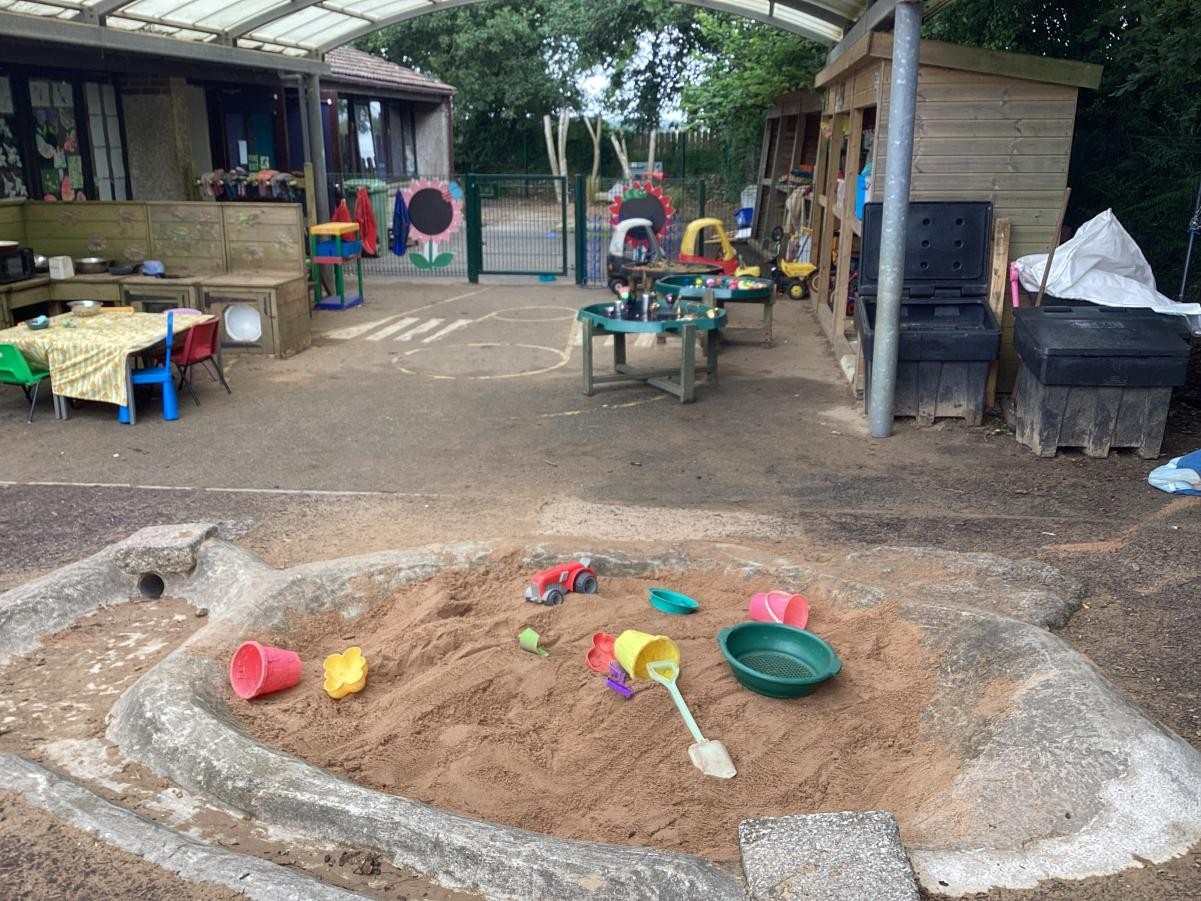
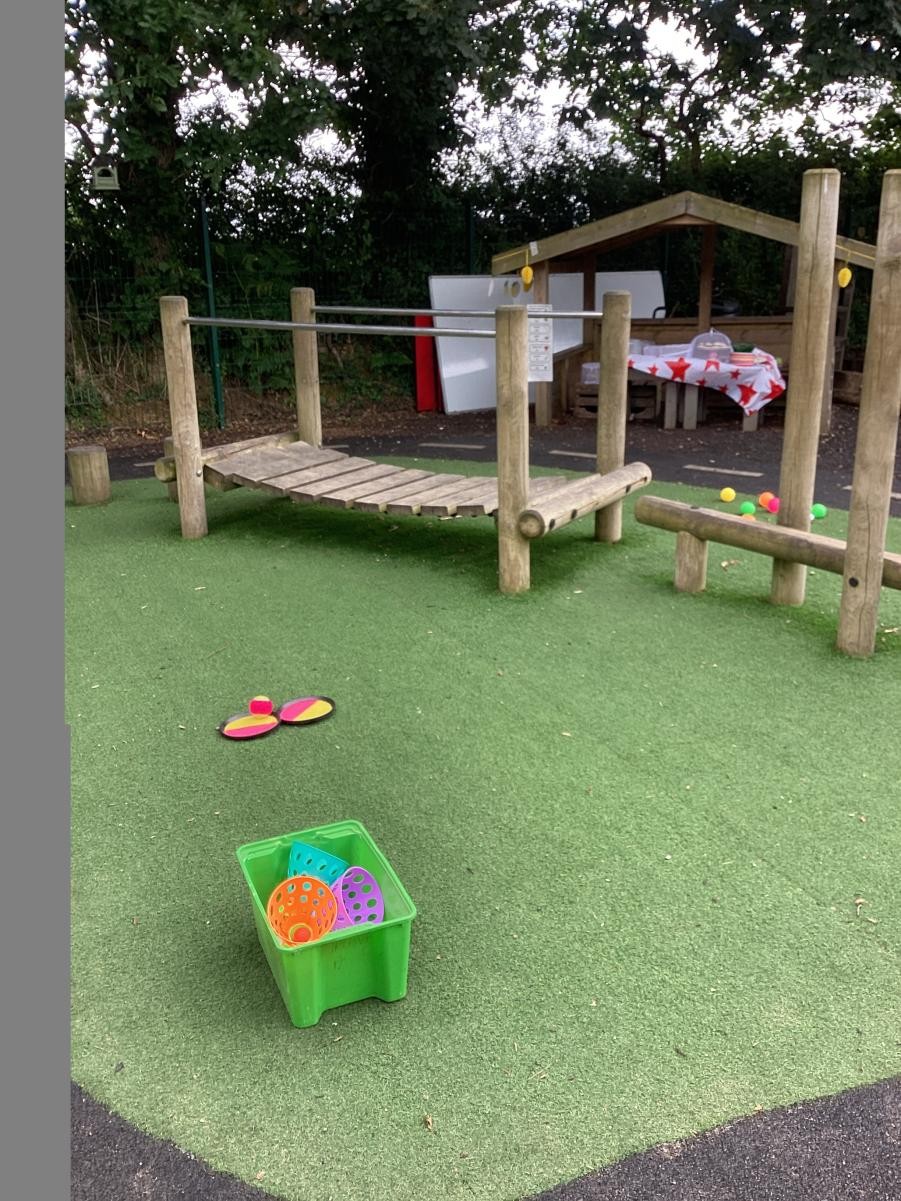
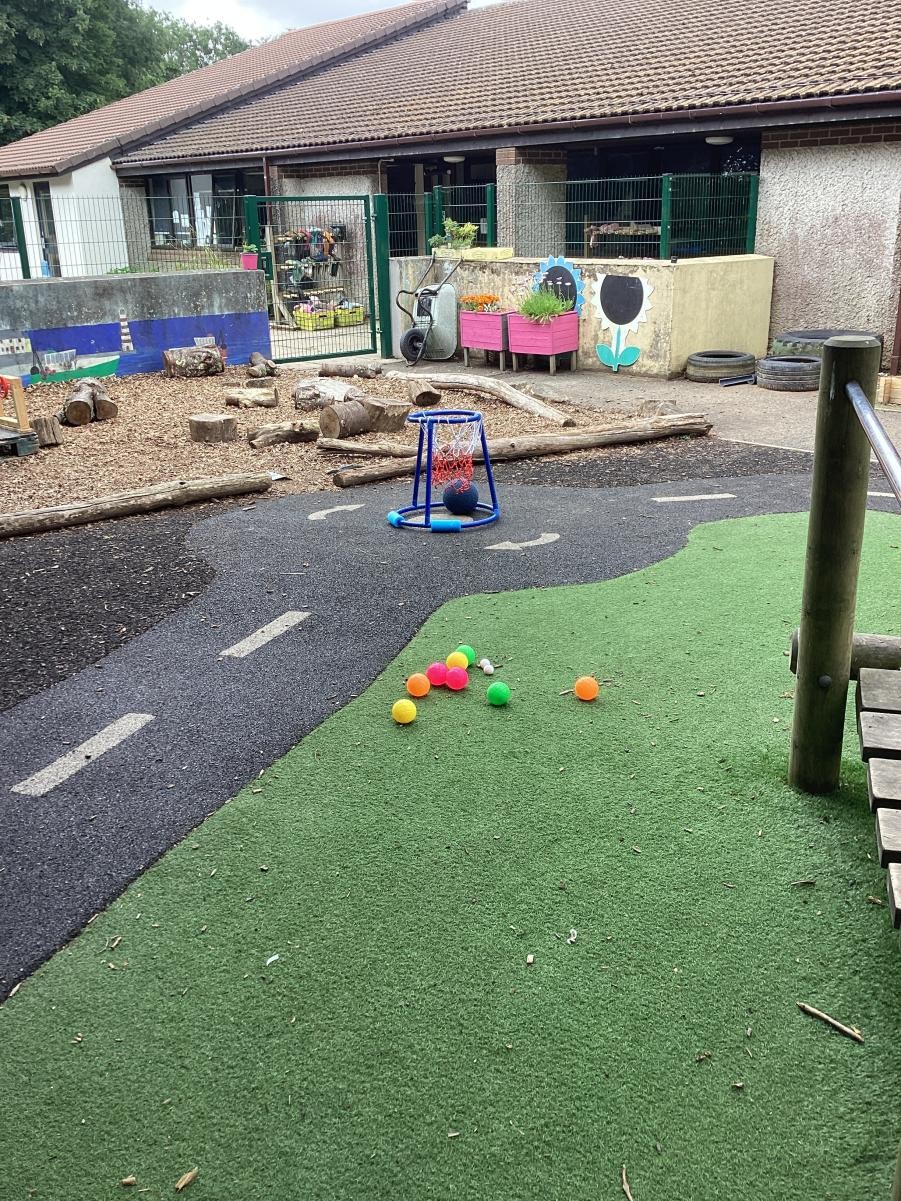
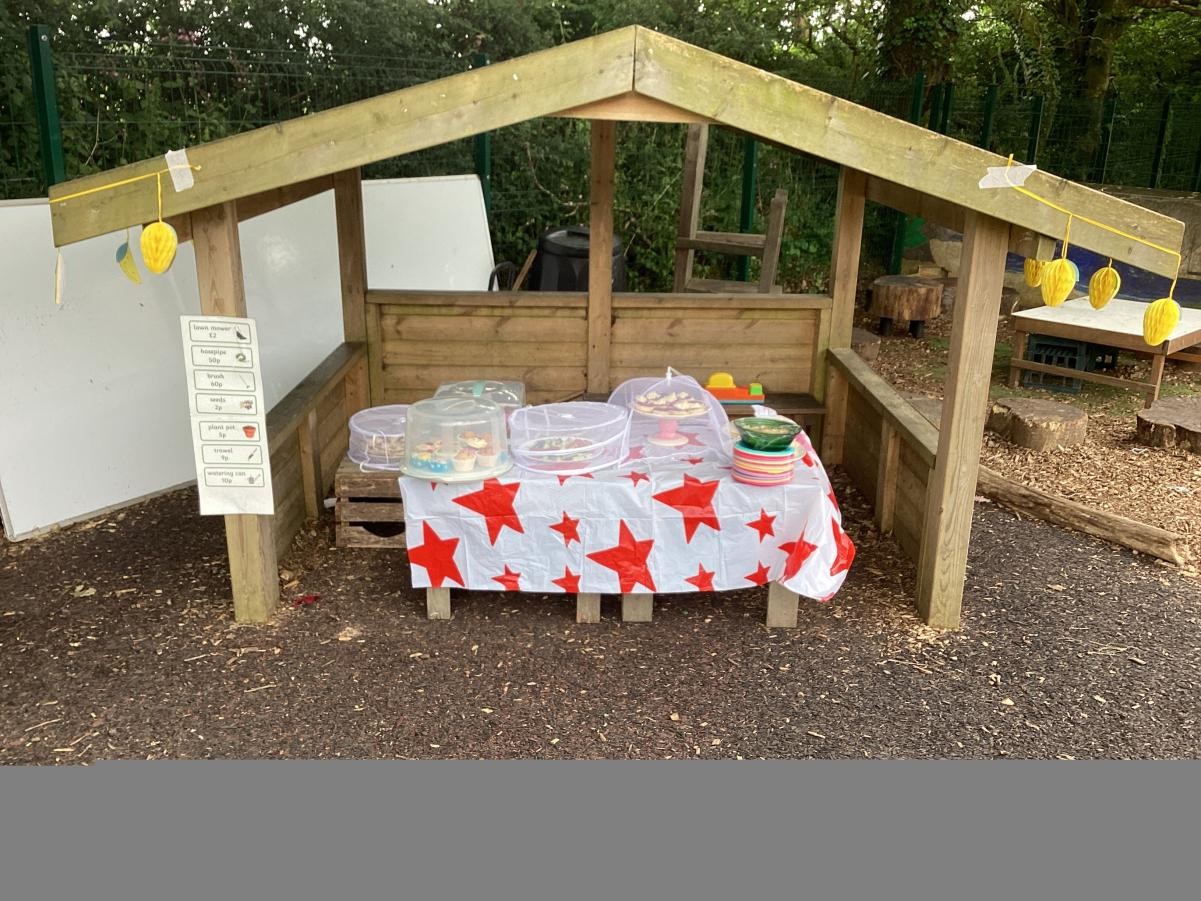
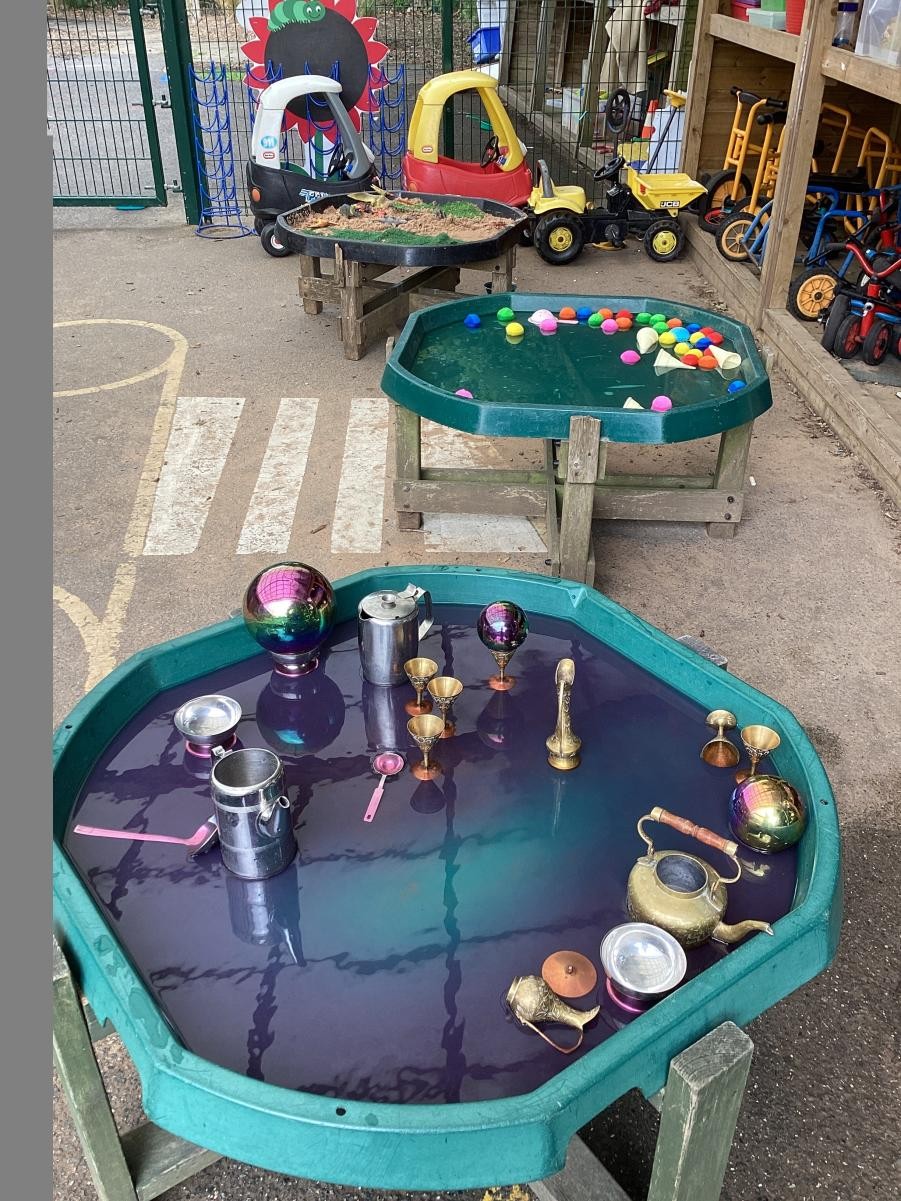
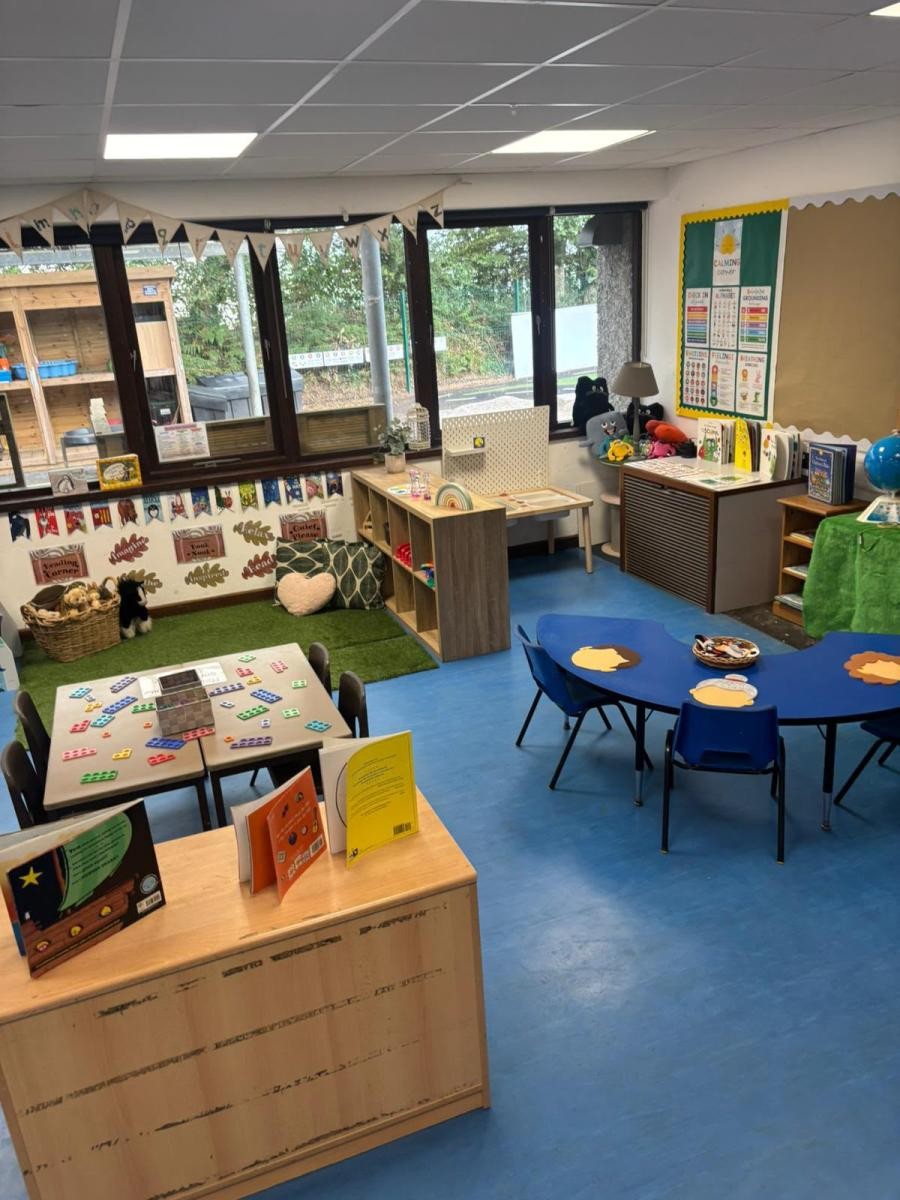
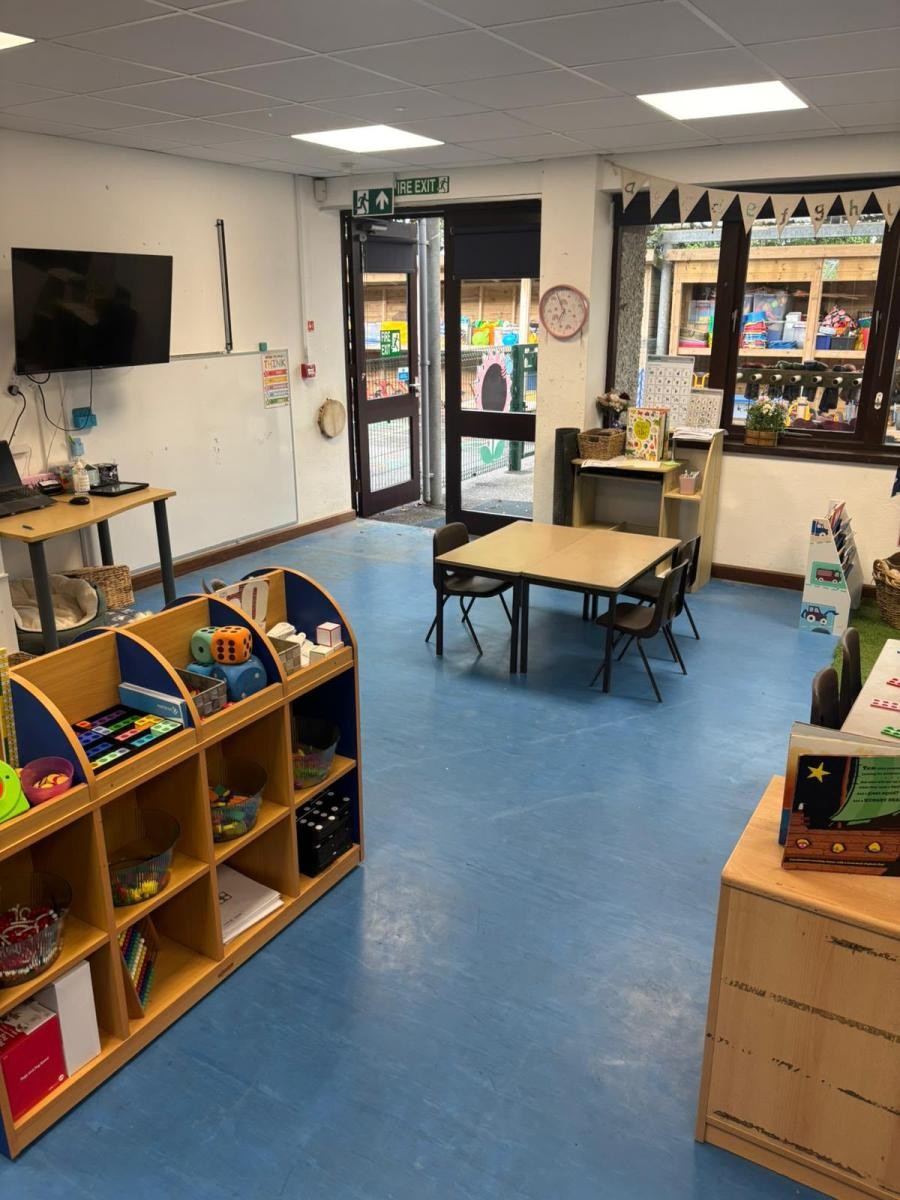
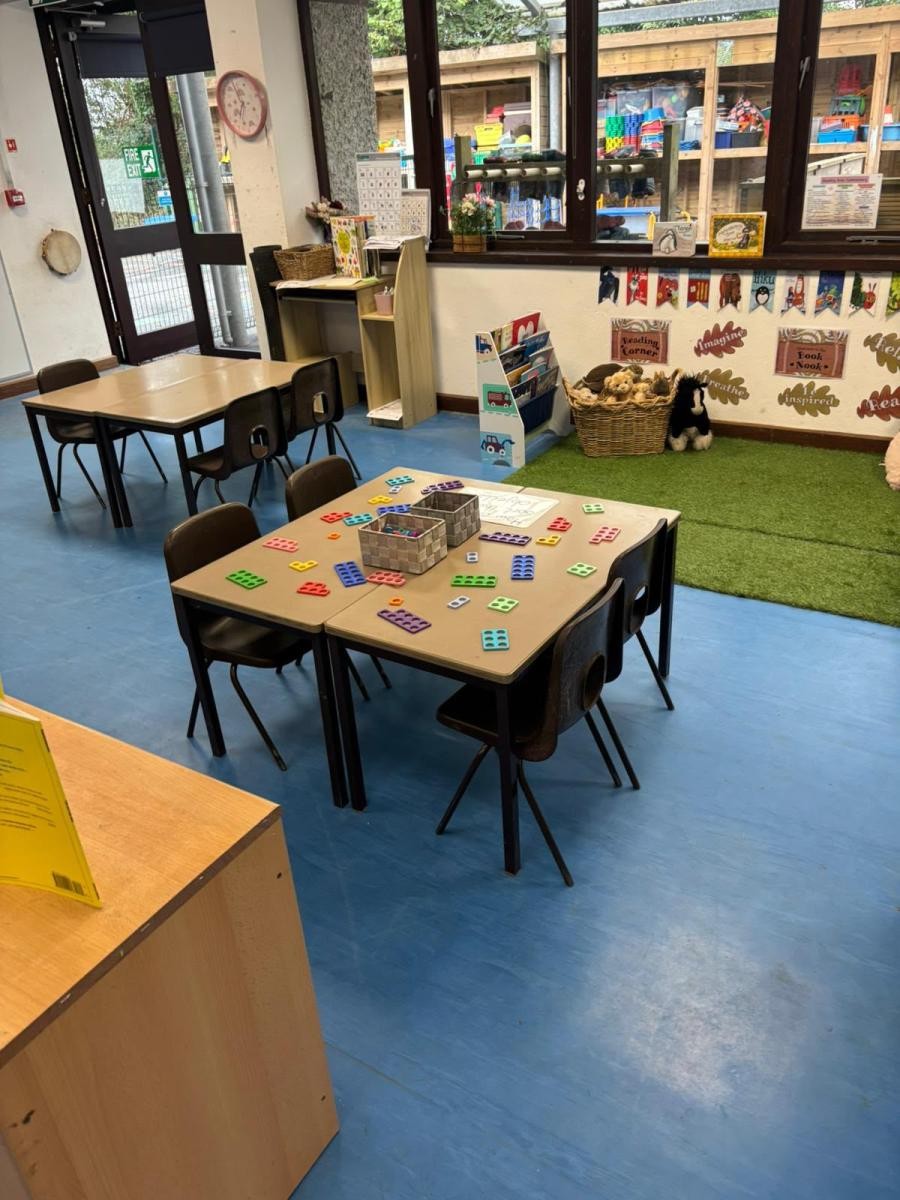
Every child is recognised as unique, and we invest time into helping children to recognise their personal goals, which allow them to reflect and aim high. We acknowledge and promote children’s interests and use these to provide them with opportunities to follow their imagination and creativity. We strive to promote a love of learning, recognising that children have a thirst for new experiences and knowledge, and should be provided with opportunities to engage their inquisitive minds. Therefore, we provide appealing and challenging continuous provision in both our indoor and outdoor areas, that follow the children’s interests in investigating and developing their skills to support the development of the three characteristics of effective learning. We work closely with parents and carers throughout the year to encourage children to reach their full potential. We also aim to provide a smooth transition from EYFS to KS1 by providing children with the knowledge, skills and emotional development they need to succeed throughout their education.
Implementation
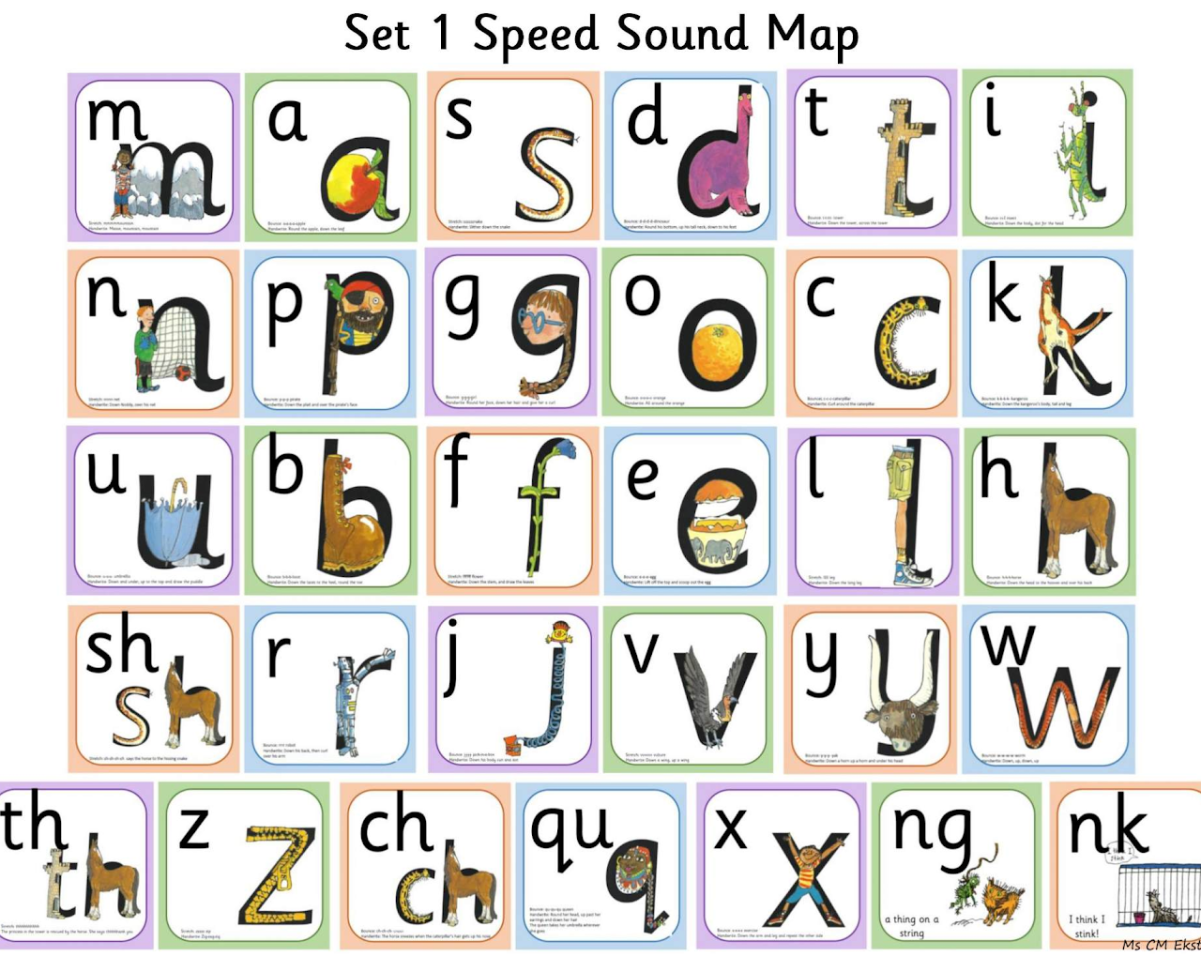
Pupils learn through a balance of child-initiated and adult-directed activities and challenges. The weekly timetables are carefully structured so that children have rigorous directed teaching in Phonics, Literacy and Mathematics daily. We also ensure regular Circle Time, Show and Tell and listening games to focus on C&L and PSED and Topic sessions to focus on UW and EAD. These sessions are followed by group work where children work with a member of staff to practice the skills they have explicitly been taught, developing their individual targets. The focus group time enables the teacher to systematically check understanding, identify and respond to misconceptions quickly and provide instant verbal feedback which results in a strong impact on the acquisition of new learning.
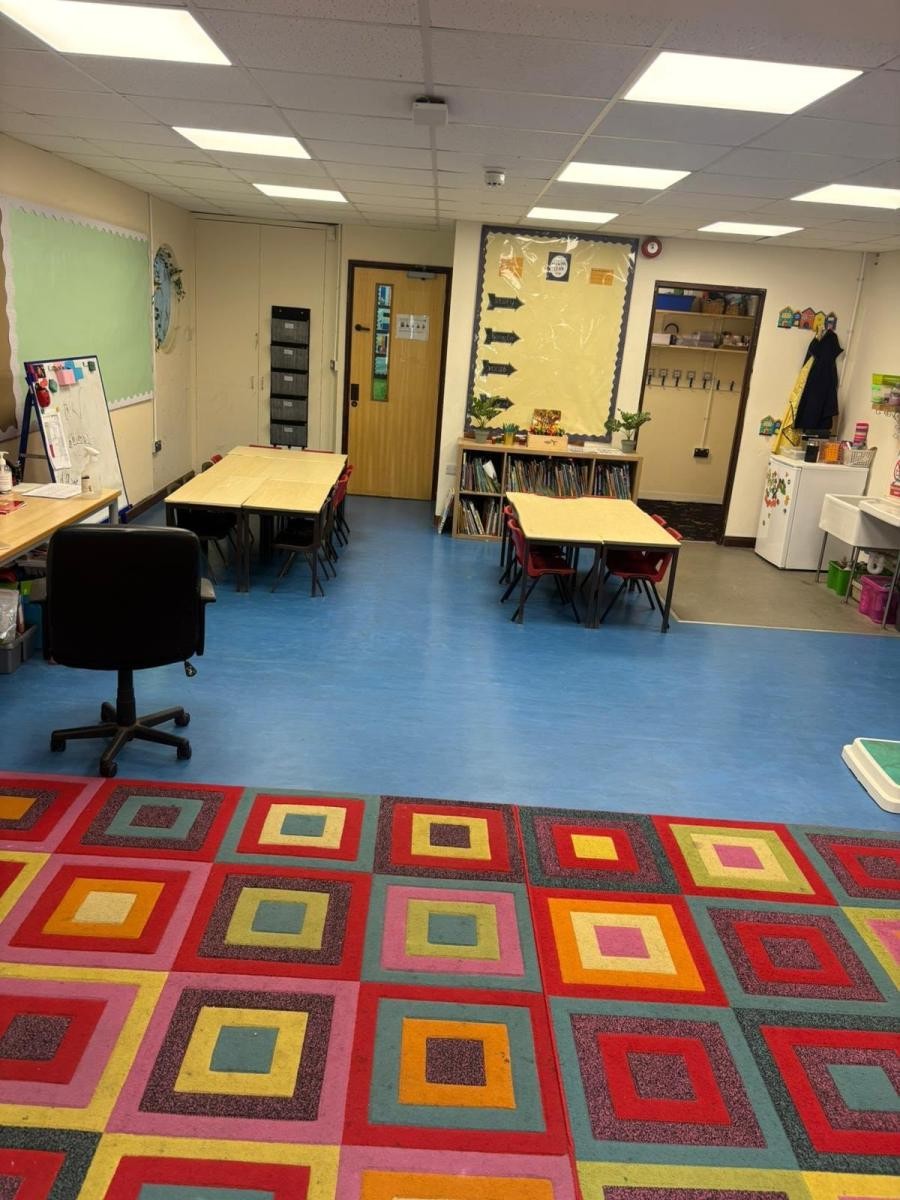
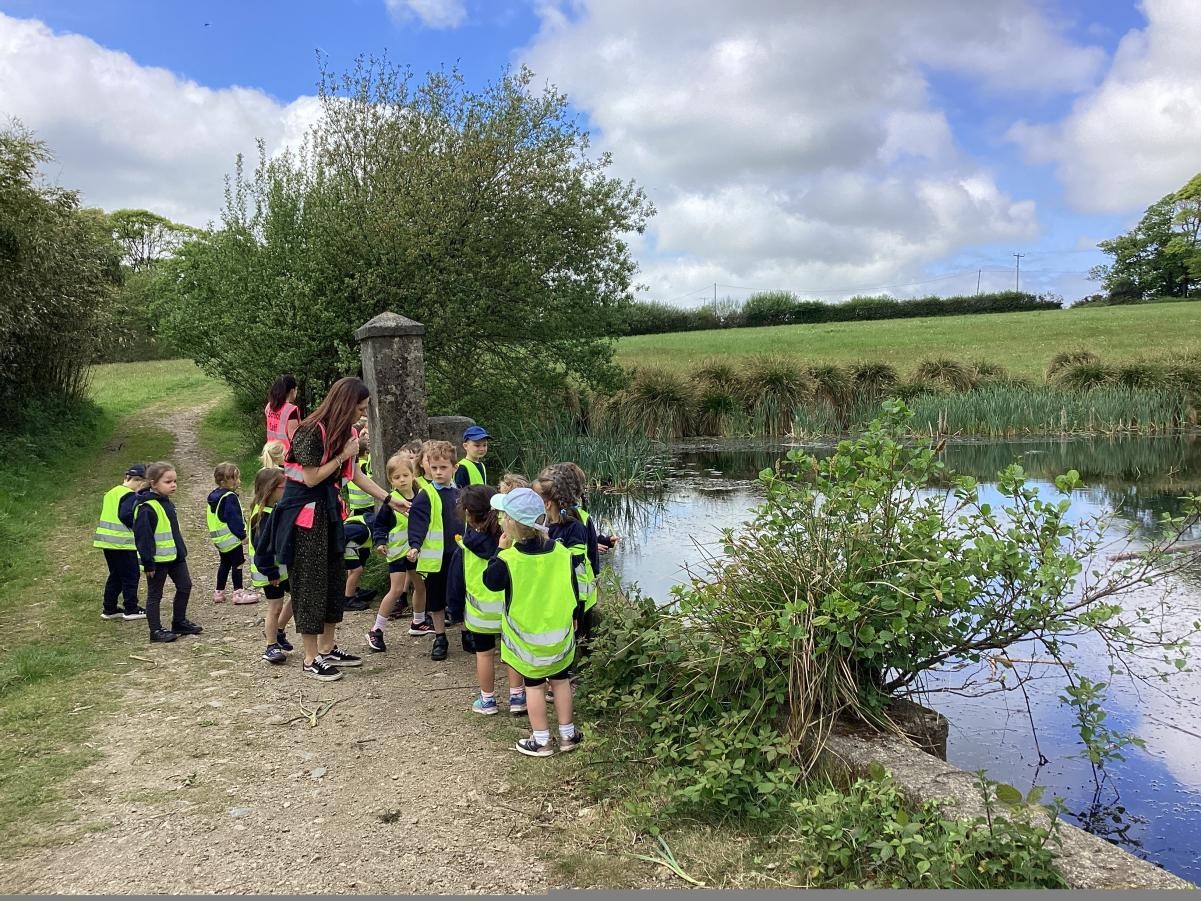
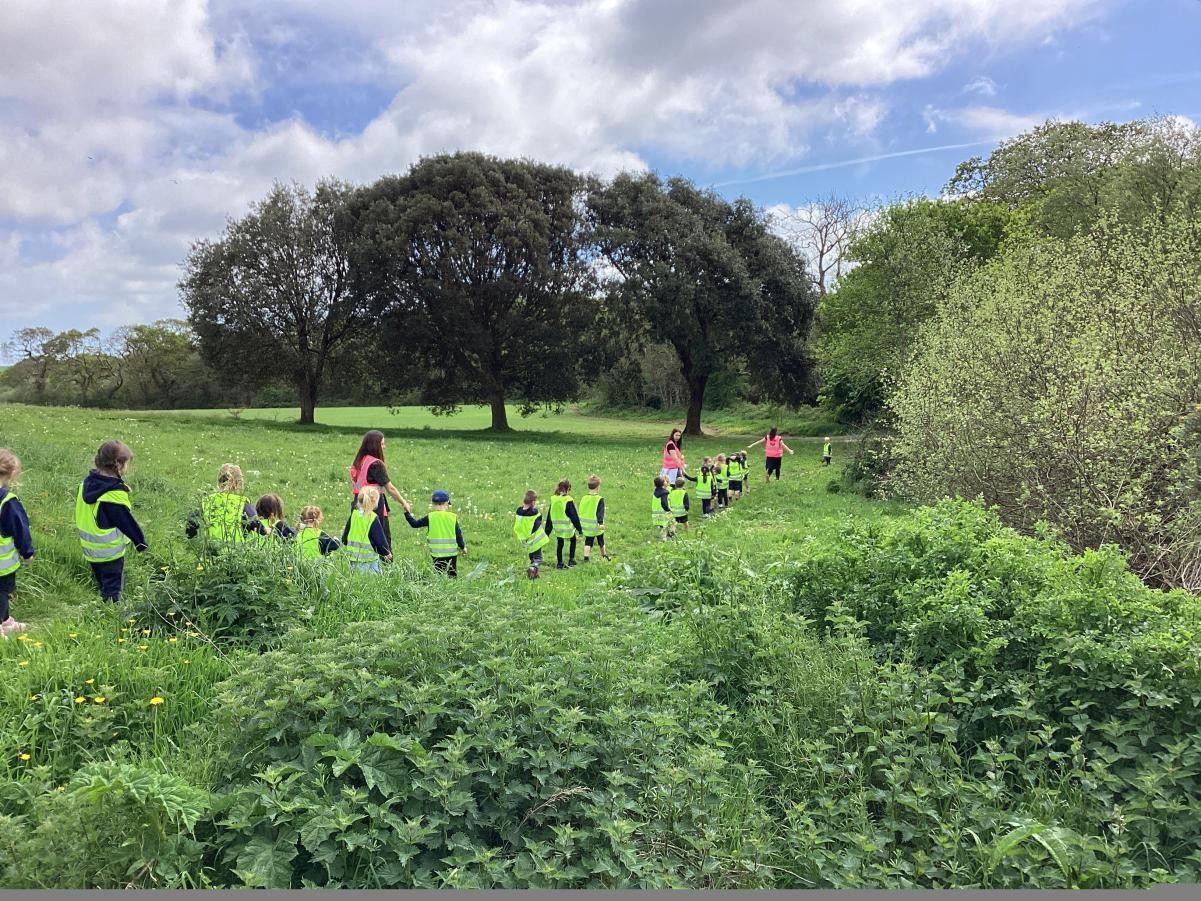
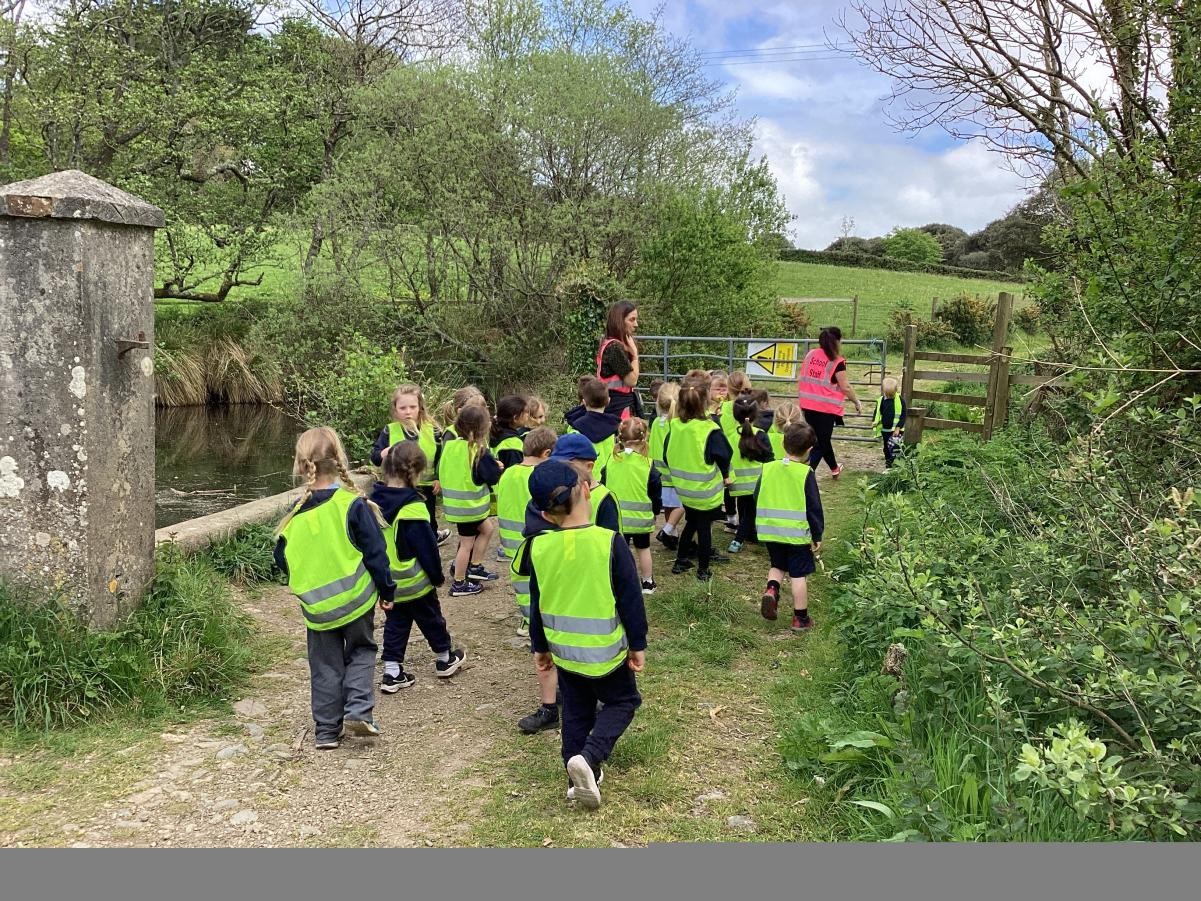
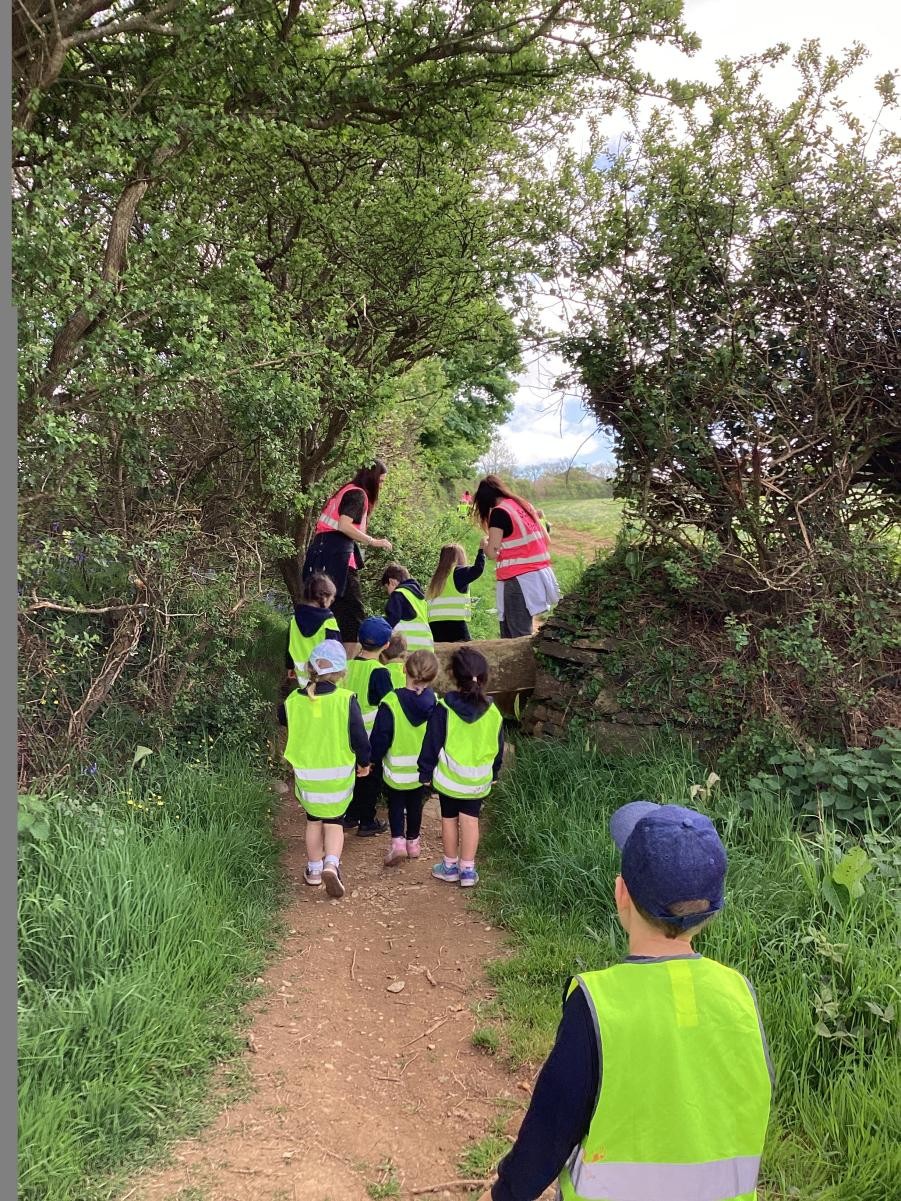
Children are provided with an abundance of opportunities to engage in exploration throughout a variety of experiences, which are carefully planned to engage and challenge them in the provision. The curriculum is planned for inside and outside learning and is planned in a cross curricular way to enable all aspects of the children’s development including UTW and EAS as well as to promote sustained thinking and active learning. Planning is led by the EYFS teacher, however whole class planning discussions are regularly conducted with the children to ensure that they have ownership over their environment and that the provision leads to depth of learning across all areas of the curriculum.
Our inclusive approach means that all children learn together, however we also use a range of additional interventions to support, enhance and scaffold children who may not be reaching their potential or to help move on children who are having difficulties making progress.
Class teachers and teaching assistants spend time informally observing children, engaging in play with them and providing them with challenges to support their learning through sustained shared thinking. This time spent ‘in the moment’ with the is used to support teachers make to informative assessments and inform potential next steps for each child, this includes careful consideration of children with SEND or are who are disadvantaged. Formal assessments are recorded using our Whole school tracking system ‘OTrack’ linking to the Early Learning Goals. These summative assessments are completed termly to judge each child’s progress in the 7 areas of learning. Their progress against the Development Matters age related expectations is monitored. This allows us to assess the impact of our teaching and decide if sufficient intervention measures are needed to help specific children. This is reported to members of the SLT during pupil progress meetings.
The Early Years lead and teaching staff receive relevant up to date training and keep up to date with important Government/Ofsted focuses and initiatives. We are also highly focused on frequently moderating outcomes across the year group so that every member of our team feels confident in making accurate judgements about where individual pupils are and what their next steps are. This is also supported by external, small group moderations with other Early Years teachers within our cluster group.
Impact
The impact of the EYFS curriculum is reflected in having well rounded, happy and confident children transitioning into Year 1.
We measure progress and children’s learning across the year through formative and summative assessment which are based on the teacher’s extensive knowledge of the child.
The judgements of our school are moderated with other schools and the EYFS Lead regularly liaises with the KS1 team. This supports us in providing clear, consistent and linear progression of knowledge and skills for children as they progress through to KS1.
The Early Years provision features in all areas of the School Development Plan and has a rigorous plan for development each year. This is monitored and evaluated by the EYFS Lead, Assistant Head Teacher and Head Teacher.